
Introduction
Casinos have fascinated people for centuries, serving as hubs of entertainment, excitement, and, for many, the chance to win big. Traditionally, a casino is a facility where various forms of gambling take place, from slot machines to card games. Over time, casinos have evolved from exclusive land-based establishments to dynamic online platforms accessible worldwide. The appeal of casinos lies not only in the thrill of the games but also in the social atmosphere, sophisticated designs, and opportunities for rewards.
In the modern era, understanding casinos requires more than knowing the rules of the games. Players need to grasp strategies, explore bonus systems, and remain aware of safety measures to ensure a fun and responsible experience. Online platforms have opened the doors to a global audience, making gambling more accessible than ever. With thousands of games available at the click of a button, players must make informed choices to maximize both enjoyment and potential rewards.
This guide aims to provide an in-depth understanding of casinos, covering everything from the history and evolution of gambling to modern strategies, bonuses, and safety tips. Whether you are a beginner exploring online slots for the first time or a seasoned player seeking advanced strategies, this article offers comprehensive insights into the world of casinos. By the end, readers will be equipped with the knowledge to choose the right platform, play responsibly, and enjoy the exciting world of gambling confidently.
1. History and Evolution of Casinos
1.1 Origins of Gambling
Gambling has been part of human culture for thousands of years, with evidence of early gaming practices in ancient civilizations such as Mesopotamia, Egypt, and China. Early gamblers used dice, rudimentary boards, and even animal bones as tools for games of chance. These games were often tied to religious rituals or social events, combining entertainment with the thrill of risk. Over time, gambling evolved from informal, community-based activities into more structured formats with defined rules and stakes.
During the Middle Ages, gambling spread across Europe, particularly in Italy and France, where card games began to gain popularity. Royal courts often hosted games for entertainment, while public gambling houses emerged to cater to wider audiences. The development of these early gambling venues laid the foundation for modern casinos, emphasizing not just the games themselves but the social and cultural experiences surrounding them.
Understanding the origins of gambling helps contextualize modern casinos. While today’s platforms are digital and highly regulated, the core appeal remains the same: the excitement of chance, strategy, and the possibility of reward. By tracing these roots, we see how cultural practices, societal trends, and historical developments shaped today’s casino environment.
1.2 Rise of Land-Based Casinos
The 17th and 18th centuries marked the emergence of formal land-based casinos, particularly in European cities. Monte Carlo in Monaco became a symbol of luxury gambling, attracting royalty and the wealthy elite. Meanwhile, Las Vegas in the United States rose to fame in the 20th century as a hub for entertainment, tourism, and high-stakes gambling.
Land-based casinos are more than just places to play games; they are carefully designed experiences. Architecture, lighting, music, and service all contribute to creating an environment that encourages enjoyment and engagement. Casinos also played a role in regional economies, generating tourism revenue, creating jobs, and influencing local culture.
The rise of these establishments emphasized social interactions and in-person experiences. While online platforms later revolutionized accessibility, land-based casinos remain iconic for their glamour, energy, and immersive atmosphere. They continue to set the standard for quality, design, and customer engagement in the gambling industry.
1.3 Transition to Online Casinos
With the advancement of the internet, casinos underwent a major transformation. Online casinos emerged in the late 1990s, allowing players to access their favourite games from the comfort of home. These platforms offer convenience, variety, and 24/7 availability, attracting millions of players worldwide.
Online casinos leverage advanced technology to replicate the experience of physical casinos. Features like live dealer streaming, realistic graphics, and interactive gameplay provide an engaging digital alternative. Licensing and regulations ensure fairness and security, while online payment methods simplify deposits and withdrawals.
The transition to online gambling also brought new challenges, including ensuring responsible gaming and protecting players’ personal and financial data. Despite these hurdles, online casinos continue to grow, complementing traditional establishments while making gambling more inclusive, flexible, and innovative.
2. Types of Casino Games
2.1 Slot Machines
Slot machines are arguably the most popular casino games, both in land-based and online environments. They come in various formats: classic three-reel slots, advanced video slots with multiple paylines, and progressive jackpot slots offering life-changing prizes.
The mechanics of modern slots rely on Random Number Generators (RNG), ensuring fairness and unpredictability. Players don’t need complex strategies to play slots, making them ideal for beginners. However, understanding bonus features, pay tables, and betting strategies can increase engagement and potential rewards.
Online slots have further expanded the gaming experience, offering immersive themes, cinematic graphics, and interactive gameplay. Whether chasing small wins or progressive jackpots, slot machines continue to attract a wide range of players seeking fun and excitement.
2.2 Table Games
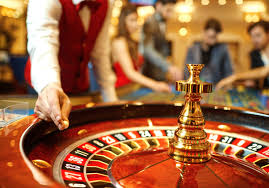
Table games are a cornerstone of casino entertainment, offering both skill and chance. Popular games include Blackjack, Roulette, Baccarat, and Poker. Unlike slots, these games often allow players to apply strategies, manage odds, and engage with other participants.
Blackjack, for example, is a game of strategy where understanding probability and card counting can enhance the player’s advantage. Roulette relies more on chance, but betting strategies like the Martingale system can influence outcomes. Poker combines psychology, skill, and tactics, making it one of the most competitive casino games.
Table games appeal to players seeking more control over their outcomes and enjoy the social interaction that accompanies live gameplay. Learning the rules, strategies, and proper etiquette enhances both enjoyment and potential success.
2.3 Live Dealer Games
Live dealer games bridge the gap between online and land-based casinos. Players can interact with real dealers in real-time via video streaming, creating an immersive experience without leaving home.
Games like live Blackjack, Roulette, and Baccarat replicate the casino environment digitally, complete with professional dealers, chat options, and realistic tables. This format adds authenticity, social interaction, and engagement, offering a more dynamic alternative to standard online games.
Live dealer platforms continue to grow in popularity as technology improves, making it easier for players to enjoy realistic gaming experiences with convenience and accessibility.
2.4 Specialty Games
Specialty games such as Bingo, Keno, scratch cards, and virtual sports offer unique alternatives to traditional casino formats. These games often emphasize entertainment over strategy, providing casual players with fun, quick options.
Bingo and Keno involve number-based draws, while scratch cards offer instant results. Virtual sports simulate real-life sporting events for betting purposes. Specialty games diversify the casino experience, catering to players seeking variety, novelty, and simple gameplay without complex rules.
3. Casino Strategies and Tips
3.1 Bankroll Management
One of the most important aspects of successful gambling is managing your bankroll effectively. Setting a budget for each session prevents overspending and ensures responsible play. Players should never wager more than they can afford to lose, and maintaining discipline helps preserve enjoyment.
Tracking wins and losses, setting limits, and taking breaks are essential strategies. Bankroll management not only protects finances but also reduces stress and enhances long-term enjoyment. Responsible budgeting separates casual entertainment from risky behaviour, making gambling a fun and sustainable activity.
3.2 Game-Specific Strategies
Understanding each game’s rules, odds, and strategies improves the likelihood of success. In Blackjack, learning basic strategy and probability can lower the house edge. In Roulette, betting patterns like Martingale or Fibonacci systems provide structured approaches.
Poker requires psychological insight and reading opponents, while Baccarat relies on probability and pattern observation. Players who study games, practice regularly, and adopt strategic approaches can enhance their experience, whether for entertainment or profit.
3.3 Responsible Gambling
Recognizing the signs of gambling addiction is critical. These include chasing losses, spending excessive time or money, and experiencing stress related to gambling. Tools like self-exclusion, deposit limits, and support resources promote safe play.
Responsible gambling ensures that entertainment remains enjoyable without negative consequences. Players should always be aware of limits, seek help when needed, and prioritize fun over profit.
4. Casino Bonuses, Promotions, and Loyalty Programs
4.1 Welcome Bonuses
Welcome bonuses are incentives offered to new players, often in the form of deposit matches or free spins. They encourage engagement and provide extra funds to explore games. Understanding wagering requirements, validity periods, and eligible games is essential to maximize these bonuses.
4.2 Deposit and No-Deposit Bonuses
Deposit bonuses require players to fund their accounts, while no-deposit bonuses offer free credits without payment. Both increase playtime and potential winnings, but terms and conditions must be checked carefully to avoid misunderstandings.
4.3 Loyalty Programs and VIP Rewards
Loyalty programs reward regular players with points, perks, and exclusive promotions. VIP schemes offer additional benefits such as faster withdrawals, dedicated support, and personalised offers. Engaging in these programs enhances the overall experience and provides tangible rewards for consistent play.
5. Choosing the Right Casino
5.1 Safety and Security
A trustworthy casino must be licensed and regulated. Check for certifications from respected authorities and ensure secure payment methods. Protecting personal and financial information is critical for safe online play.
5.2 Game Variety and Software Providers
High-quality software providers and diverse game selection impact enjoyment and reliability. Renowned providers ensure fair play, smooth performance, and engaging gameplay, enhancing the overall casino experience.
5.3 Customer Support and User Experience
Responsive support, user-friendly interfaces, and clear navigation improve satisfaction. Reliable customer service addresses issues quickly, while intuitive design ensures a seamless experience for all players.
Conclusion
Casinos, whether land-based or online, offer an exciting world of entertainment, strategy, and opportunity. Understanding their history, the variety of games, strategies, bonuses, and safety measures equips players for a responsible and enjoyable experience. By choosing trusted platforms, learning game rules, and managing resources wisely, players can maximise both fun and potential rewards. Ultimately, the casino experience combines thrill, skill, and social interaction, creating a unique form of entertainment accessible to everyone who approaches it responsibly.
Also Read: 92jeeto