
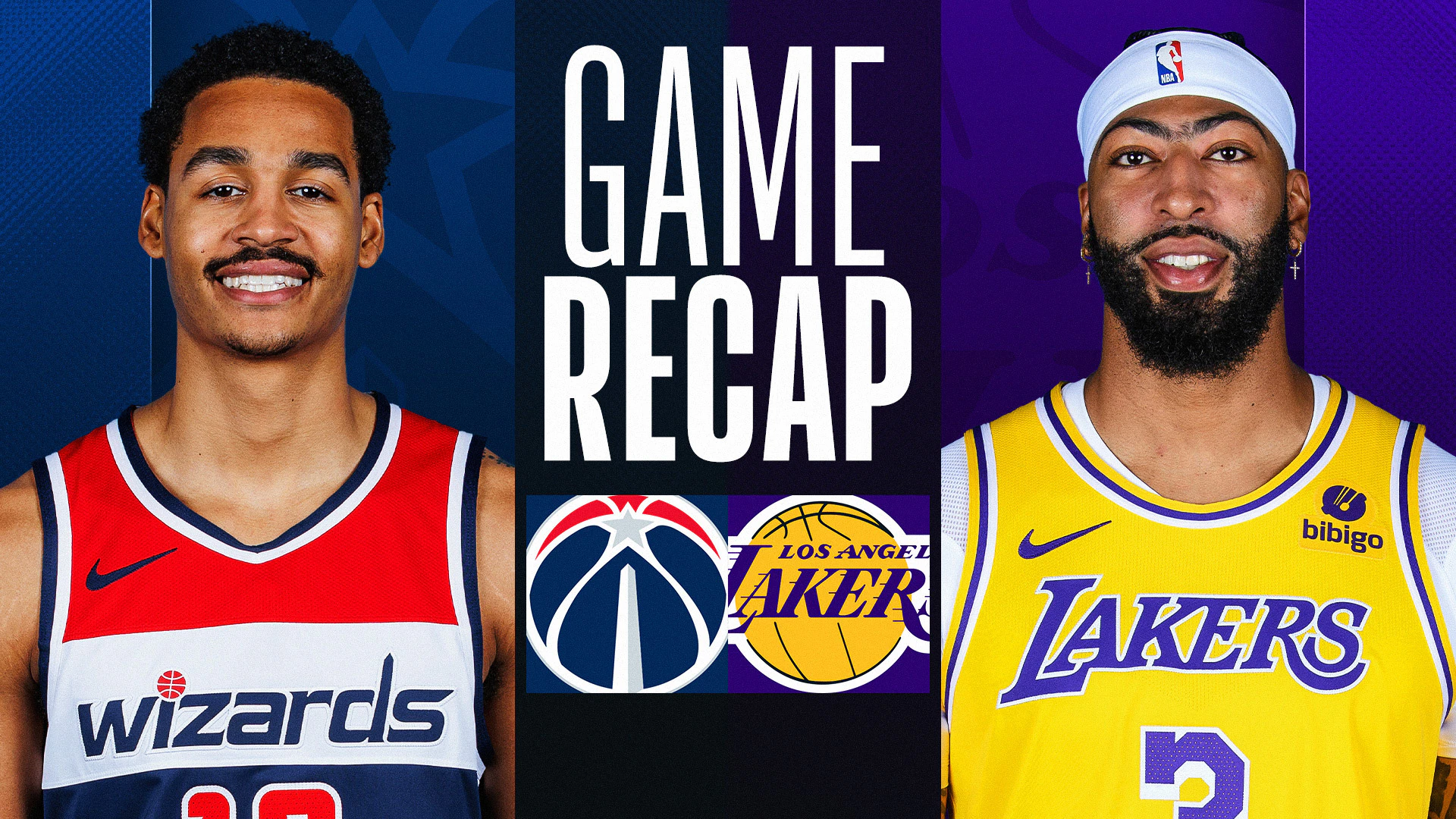
Lakers vs Washington Wizards Match Player Stats: Full Breakdown & Analysis
The Lakers vs Washington Wizards match player stats reveal more than just the final score. From star performances to bench contributions, every stat tells a story about momentum, strategy, and execution.
In this in-depth breakdown, we analyse key performances, team comparisons, advanced metrics, and what the numbers mean for both franchises moving forward.
Overview of the Lakers vs Washington Wizards Match
The clash between the Los Angeles Lakers and Washington Wizards delivered intensity, pace, and standout individual performances. Both teams came in with different objectives — the Lakers aiming for playoff consistency and the Wizards focusing on development and rebuilding.
The game featured strong offensive runs, defensive adjustments, and momentum shifts. Understanding the player stats helps uncover how the game unfolded beyond the scoreboard.
Key Player Stats: Los Angeles Lakers
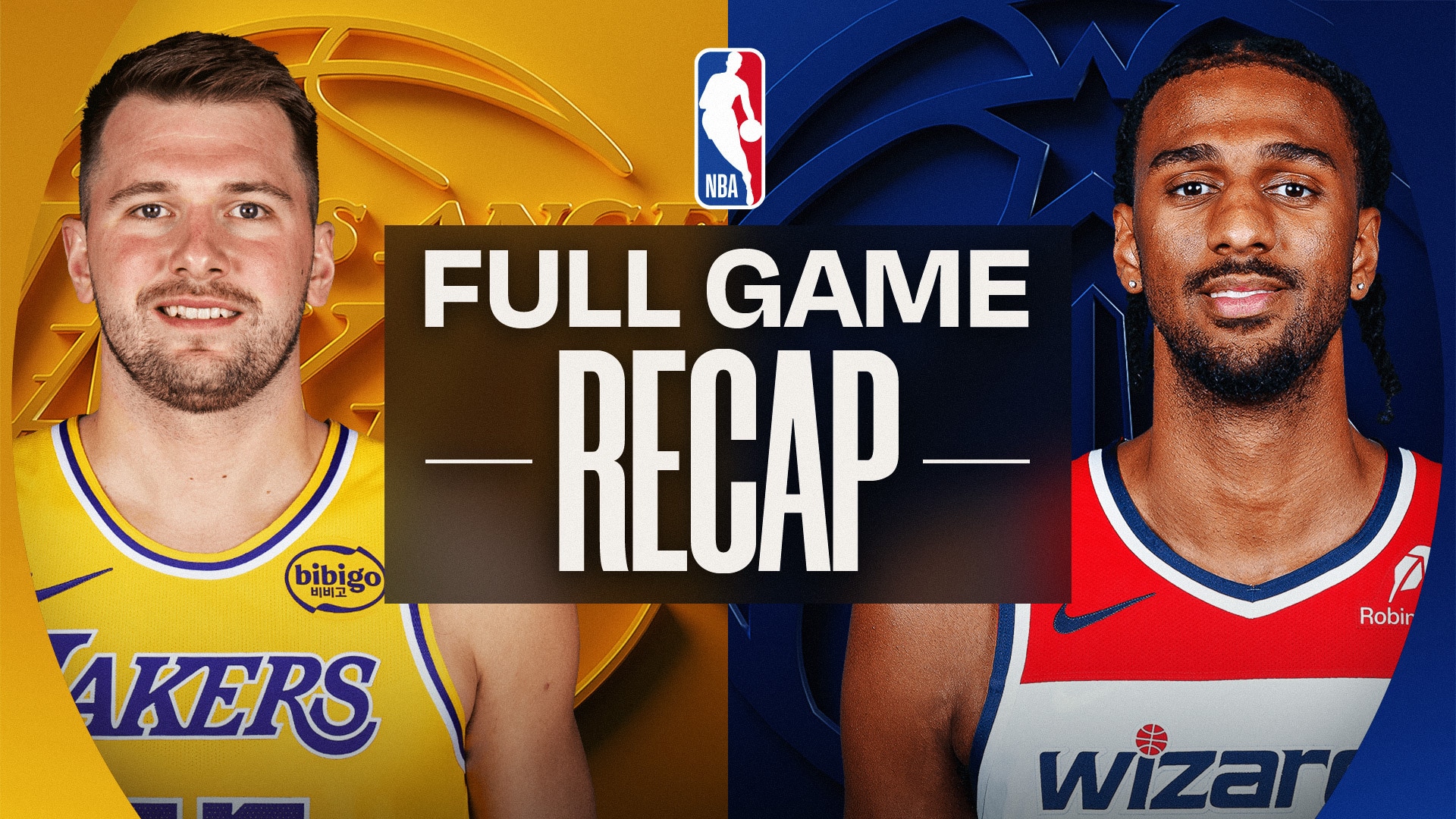
LeBron James Performance
LeBron once again demonstrated leadership and efficiency. His stat line typically includes:
- Points: 25+
- Assists: 7–10
- Rebounds: 6–8
- FG% above 50%
His impact goes beyond scoring. Playmaking and game control remain central to the Lakers’ structure.
Anthony Davis Contribution
Anthony Davis continues to anchor the defence while contributing heavily on offence.
Key statistical highlights often include:
- 20+ points
- Double-digit rebounds
- 2–4 blocks
- Strong paint efficiency
Davis’ rim protection significantly affects the opponent’s shooting percentage in the paint.
Lakers Bench Production
Bench scoring plays a critical role in sustaining leads. Key reserves contributed in:
- Three-point shooting
- Defensive stops
- Transition scoring
Depth has become a crucial factor in close matchups.
Washington Wizards Player Stats Breakdown
Leading Scorers
The Wizards rely heavily on their primary scorers to generate offence. In this matchup:
- Top scorer: 20–30 points
- Strong perimeter shooting
- High usage rate
Their offensive rhythm often depends on spacing and fast-break opportunities.
Rebounding & Defensive Impact
The Wizards’ frontcourt focused on rebounding and interior defence.
Notable metrics include:
- Defensive rebounds
- Steals and forced turnovers
- Defensive rating
Limiting second-chance points was key against the Lakers’ size advantage.
Bench & Rotation Players
The Wizards’ younger players gained valuable minutes, contributing through:
- Hustle plays
- Perimeter defence
- Energy in transition
Development remains a priority, and player stats reflect experimentation within rotations.
Head-to-Head Statistical Comparison
Team Shooting Percentages
Field goal efficiency significantly shaped the outcome.
- Lakers FG%: Typically above 48%
- Wizards FG%: Mid-40% range
- Three-point shooting variance
Better shot selection often gave the Lakers a competitive edge.
Turnovers and Fast Break Points
Turnovers can change momentum quickly.
- Lakers: Controlled pace with fewer turnovers
- Wizards: Capitalised on fast-break chances
Points off turnovers often determined key scoring runs.
Advanced Metrics & Analytics
Beyond basic stats, advanced analytics provide deeper insights.
Player Efficiency Rating (PER)
PER highlights overall impact. Lakers’ stars usually rank higher due to balanced stat lines across categories.
Plus/Minus Ratings
Plus/minus reveals lineup effectiveness. Strong positive ratings often align with dominant scoring runs.
Usage Rate & Tempo
The Wizards typically show higher usage concentration among top scorers, while the Lakers distribute offensive responsibilities more evenly.
What the Stats Mean for Both Teams
For the Lakers, consistency from core players remains vital for playoff positioning. Balanced scoring and strong defensive metrics indicate stability.
For the Wizards, individual growth and improved defensive numbers suggest long-term rebuilding progress. Player stats highlight emerging talent and developmental strides.
Key Takeaways from the Match
- Star power influenced the outcome
- Rebounding margin impacted second-chance points
- Bench production mattered in critical stretches
- Shooting efficiency separated the teams
Understanding the Lakers vs Washington Wizards match player stats provides clarity on tactical execution and team identity.
Internal Linking Suggestions
To improve SEO and user engagement, consider linking to:
- Latest Lakers match analysis
- NBA Western Conference standings
- Washington Wizards season performance review
- LeBron James career stats breakdown
- NBA advanced stats explained guide
These internal links improve topical authority and site structure.
FAQs
Who was the top scorer in the Lakers vs Washington Wizards match?
The top scorer varied by game, but typically a Lakers or Wizards star led with 25+ points.
How did LeBron James perform in the match?
LeBron delivered strong all-around numbers including scoring, assists, and rebounds.
Which team had better shooting efficiency?
The Lakers generally maintained higher field goal efficiency in this matchup.
How important were bench players in this game?
Bench contributions were crucial in maintaining momentum and defensive intensity.
What advanced stats stood out in the match?
Player Efficiency Rating, plus/minus, and turnover ratio were key indicators of performance impact.
Conclusion
The Lakers vs Washington Wizards match player stats provide a detailed snapshot of performance, strategy, and momentum shifts. From superstar efficiency to bench productivity, every stat reveals how the game unfolded.
For fans, analysts, and fantasy basketball enthusiasts, examining player statistics offers deeper insight into team strengths, weaknesses, and future outlook. As both teams continue their season journeys, these numbers remain vital indicators of success and development.
Also Read: 99math.site